Field Experience 4
October-December 2024
A Summary...
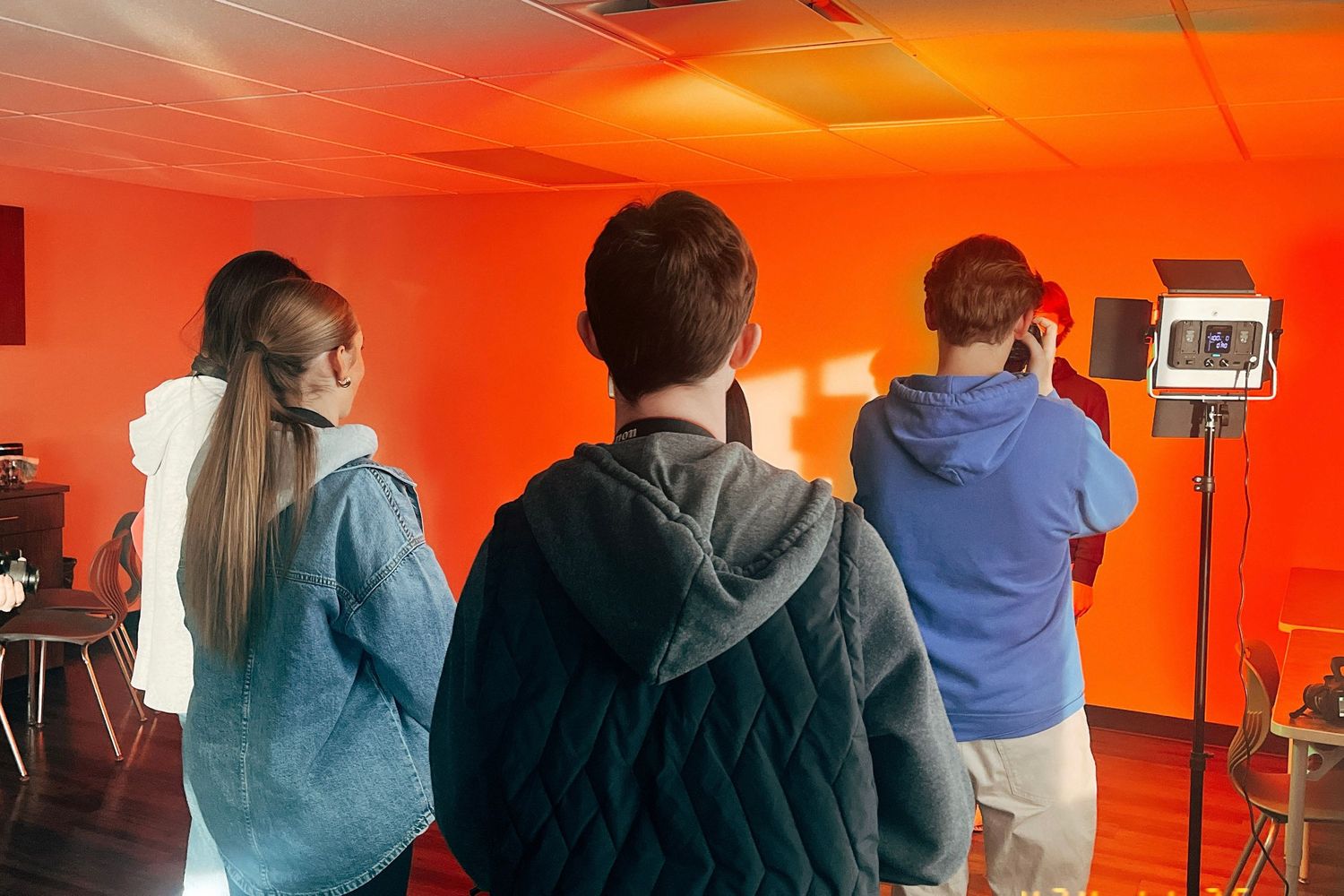
This has been my longest field experience yet, which is something I found to be quite intimidating when going into it. However, I could not have been luckier with the placement I was in and the students I got to teach. I was placed in a SGMS 10, Photography 9, and Photography 10 classroom at Holy Rosary High School. What is SGMS 10 you may ask? It's a three credit program that students can take incorporating English Language Arts, Communications Media, and Photography in a two block period. I was so thrilled to be p;aced in this class as I own my own photography and videography business in the community of Lloydminster, giving me the proper knowledge and skills required to teach this trades-based class. The things I have learned through this experience build upon those from the last one. These include...
- How to incorporate Indigenous culture, values, and perspectives into my lessons: Incorporating Indigenous culture, values, and perspectives into my lessons was a challenge for me, especially since the subjects I teach—photography and video production—are focused on technology and skill development. However, I believe that I can improve this through integrating Indigenous elements by showcasing the work of Indigenous creators and featuring photos and videos that reflect their values, beliefs, and traditions. I also believe that by deepening my own knowledge about the Indigenous peoples of Canada, I will uncover even more meaningful ways to incorporate their perspectives into my classroom.
- Classroom Management: I believe that the creative process tends to be quite collaborative. It allows people to brainstorm and bounce ideas off of one another. Due to this belief, I allow for quite a bit of group work and class discussions in my lessons. Students tend to really enjoy this collaborative aspect of the class. However, they are more prone to getting off task when working with their peers. It is just important to make sure that they are working together in a effective manner.
- Making Connections with Students: I have come to realize that building strong relationships with students is one of the most important aspects of teaching. When teachers and students share a positive connection, the classroom becomes a more supportive and engaging environment for learning. Moreover, these relationships allow teachers to better tailor lesson plans to meet the diverse needs of their learners. This insight has been a pivotal part of my growth as an educator during this Field Experience. I truly felt a deep connection with each of my students, and I will miss them greatly. When you leave, it feels like you leave a piece of your heart with them.
My students throughout this experience have been so amazing. It's been incredible to watch them hone their skills and improve so much in such a short period of time, especially while under my instruction. Not only does it make me happy that they are getting better and more knowledgable about these subject areas, but it also gives me a sense of pride and reassurance that my lessons and assessments are helping them along their educational journey! I am so proud of what they have accomplished. I would also like to mention how cool it is to also learn things from your students. I have been working in the Photography/Videography insustry for 5+ years and some of my students were teaching me new software program shortcuts that they figured out which I had no idea was possible! They taught me a few things too!
Adhering to the TQS
Below I have listed the main concepts within Alberta's Teaching Quality Standard and how I have met them in this field experience or intend to improve for the next one.
Fostering Effective Relationships – I made it a priority to get to know each of my students as an individual and as a learner, creative a positive student-teacher bond which each child. I
Engaging in Career-Long Learning – After each one of my lessons I did a reflection on how it went and how I can improve for next time. Furthermore, I like to keep an open mind of what I can learn from my students, not just what they can learn from me.
Pofessional Body of Knowledge – All lesson plans were designed a day prior to the date that the lesson was to be conducted and overviewed by my partner teacher. Curriculum outcomes and indicators present in the lesson were listed in the document.
Establishing Inclusive Learning Environments – A varety of learner needs were taken into account when lesson plan. Having a plan for diversity was a priority of mine, having slide shows, videos, class discussions, hands-on activities, and more! I also allowed time for me to help students one on one with any questions they may have.
Applying Foundational Knowledge about First Nations, Métis, and Inuit – As someone who is non-indigenous, this area requires some more learning on my part. I am hoping that the more I am educated on Indigenous cultures, values, and tradiotions, the better I can learn to integrate it into my lessons.
Adhering to Professional Responsibilities – Not only did I focus on my responsibilities in the classroom, but also outside of the classroom attending staff meetings before and after school hours.
Alberta Education. (n.d.). Teaching quality standard. Retrieved from https://open.alberta.ca/dataset/4596e0e5-bcad-4e93-a1fb-dad8e2b800d6/resource/75e96af5-8fad-4807-b99a-f12e26d15d9f/download/edc-alberta-education-teaching-quality-standard-2018-01-17.pdf